

0
Users
0
Views
0
Reactions
0
Stories read
Need to take a break?
For immediate help, visit {{resource}}





I have a deep desire to be more open about my childhood sexual trauma and join local survivor support and activist groups. However, I often hesitate because my experience involved child-on-child sexual abuse (COCSA). Since the person who sexually abused me was also very young, I struggle with feeling like my voice might matter less in these spaces, or that my experience might not be seen as "real" abuse. I believe strongly that discussing COCSA is crucial – it shows how abuse can create ripple effects through entire communities. But I worry that others, especially in survivor spaces, might privately judge my experiences as less serious or valid, even if they don't say it directly. I want to help raise awareness about childhood sexual abuse, particularly COCSA, since it's rarely discussed in academic or public conversations. How can I move past these fears and step into advocacy work while honoring the complexity of my experience?
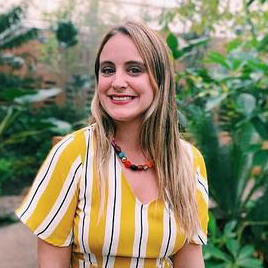
Answer by Dr. Laura
PhD Mental Health Nurse & Sexual Assault Nurse Examiner
Thank you so much for asking us this question. We get a lot of questions from COCSA survivors and I think this highlights the importance of having more people with lived experience with COCSA in advocacy spaces. The fact that you're considering using your experience to create positive change, despite your fears, speaks volumes about your strength and dedication to breaking the silence around this important issue.
Let's chat about how you might move forward while honoring both your experiences and your desire to create change. First, it's crucial to recognize that your hesitation comes from a place of deep understanding about the complexities of COCSA. This nuanced perspective – recognizing how abuse can create ripple effects through communities and understanding the complicated dynamics when both children are involved – is precisely why your voice is so valuable in advocacy spaces. Your insights about these complexities don't make your experience less valid-- they make your perspective especially important for advancing our collective understanding of childhood sexual abuse in all its forms.
Survivor advocacy spaces often focus on clear-cut narratives because they're easier to discuss and understand. But real experiences, like yours, often contain important complexities that deserve attention and care. When we make space for these nuanced discussions, we actually create more opportunities for healing and prevention. Many people in survivor support groups have faced a variety of situations and understand that all forms of abuse are serious and valid – you might even find others who share similar experiences and concerns.
I want to share some thoughtful ways you might begin your journey into advocacy. As a survivor who also had some fears entering advocacy spaces, these are a couple things I have picked up along the way.
- Start where you feel safest. Consider connecting with a trauma-informed therapist who can help you strengthen your voice and practice discussing your experiences in a protected space. This foundation can help build confidence before entering larger advocacy spaces.
- Take small, manageable steps. You might begin by simply attending support group meetings without sharing, allowing yourself to become comfortable with the group dynamics. Many survivors find it helpful to observe first and share when they feel ready. Consider reaching out to group facilitators privately – they can provide insight into the group's culture and help ensure you feel supported.
- Remember that you control your narrative and pace. You don't have to share every detail of your experience to be an effective advocate. You might choose to focus on the broader impacts of COCSA on communities, or on the importance of prevention and early intervention, rather than your personal story. Each contribution, whether it's sharing your story, participating in discussions, or helping organize events, adds value to the conversation.
- When you encounter uncertainty or misunderstanding, try to remember that these reactions often come from lack of education rather than judgment of your experience. Your presence in these spaces can help change these misconceptions over time. By sharing your perspective, you're not only advocating for yourself but also for others who may feel isolated in their experiences with COCSA.
- Consider starting with advocacy work that focuses on prevention and education. Your insights about how abuse affects young people and communities could be especially valuable in developing better protective factors for children. Your understanding of these complex dynamics can offer unique insights that might inspire others to understand COCSA more deeply.
Most importantly, know that your voice matters precisely because it reflects the complex reality of childhood sexual abuse. The fact that you can hold space for these complexities while still recognizing the serious impact of your experiences makes you an especially thoughtful potential advocate. Your story and perspective can help create more nuanced, effective approaches to preventing abuse and supporting survivors.
Be patient and compassionate with yourself as you navigate this journey. Each step you take, no matter how small it might seem, contributes to breaking the silence around COCSA and encouraging more open, empathetic dialogue surrounding it. You are inspiring! We appreciate you asking this question.
Discard message?
You have a comment in progress, are you sure you want to discard it?
0
Users
0
Views
0
Reactions
0
Stories read
Need to take a break?
For immediate help, visit {{resource}}
Please adhere to our Community Guidelines to help us keep Our Wave a safe space. All messages will be reviewed and identifying information removed before they are posted.
Grounding activity
Find a comfortable place to sit. Gently close your eyes and take a couple of deep breaths - in through your nose (count to 3), out through your mouth (count of 3). Now open your eyes and look around you. Name the following out loud:
5 – things you can see (you can look within the room and out of the window)
4 – things you can feel (what is in front of you that you can touch?)
3 – things you can hear
2 – things you can smell
1 – thing you like about yourself.
Take a deep breath to end.
From where you are sitting, look around for things that have a texture or are nice or interesting to look at.
Hold an object in your hand and bring your full focus to it. Look at where shadows fall on parts of it or maybe where there are shapes that form within the object. Feel how heavy or light it is in your hand and what the surface texture feels like under your fingers (This can also be done with a pet if you have one).
Take a deep breath to end.
Ask yourself the following questions and answer them out loud:
1. Where am I?
2. What day of the week is today?
3. What is today’s date?
4. What is the current month?
5. What is the current year?
6. How old am I?
7. What season is it?
Take a deep breath to end.
Put your right hand palm down on your left shoulder. Put your left hand palm down on your right shoulder. Choose a sentence that will strengthen you. For example: “I am powerful.” Say the sentence out loud first and pat your right hand on your left shoulder, then your left hand on your right shoulder.
Alternate the patting. Do ten pats altogether, five on each side, each time repeating your sentences aloud.
Take a deep breath to end.
Cross your arms in front of you and draw them towards your chest. With your right hand, hold your left upper arm. With your left hand, hold your right upper arm. Squeeze gently, and pull your arms inwards. Hold the squeeze for a little while, finding the right amount of squeeze for you in this moment. Hold the tension and release. Then squeeze for a little while again and release. Stay like that for a moment.
Take a deep breath to end.